Singapore’s most famous law isn’t a ban on chewing gum, it’s a fine-tuned rule about who can sell it.
The myth everyone repeats
Ask an American what they know about Singapore, and the chewing gum story almost always comes up. The popular version: chew a piece on the street, and the police can fine or even arrest you.
That version is wrong. Singapore has never made it illegal to chew, carry, or own gum.
What the law actually says
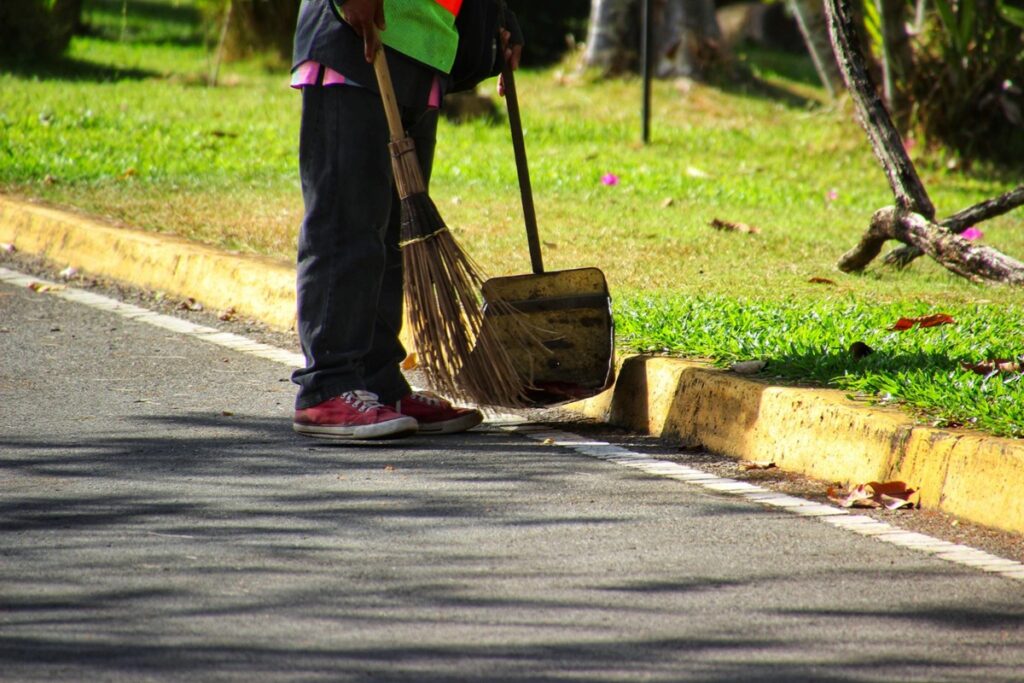
Since 1992, Singapore has banned the sale and import of chewing gum, not the chewing of it. The target was litter on subway trains and sidewalks, not the act of chewing itself.
The one exception arrived in 2004, through a trade agreement with the United States: pharmacists and dentists can now dispense gum for medical or dental use, as long as the buyer shows ID.
So the real rule isn’t “no gum allowed.” It’s “no gum for sale, unless a pharmacist hands it to you for your teeth.”
A country that writes oddly specific rules
The gum law fits a pattern. Singapore tends to legislate the precise edge of a problem rather than the broad behavior around it.
Caning is still a legal punishment, applied for offenses as different as graffiti and overstaying a 90 day tourist visa. Drug trafficking carries the death penalty starting at just 13 to 14 grams of heroin or 480 grams of cannabis. Between 1991 and 2005, the country executed 420 people, the highest execution rate per capita in the world.
Even gambling gets the same precision treatment. Singapore has two casinos, but its own citizens must pay a S$100 entry fee just to walk in, a deliberate tax meant to discourage locals from gambling at home, while foreign tourists walk in for free.
That habit of exact, calculated terms goes back to the country’s founding. In 1819, the British trader Stamford Raffles bought the island from the Sultan of Johor for 33,000 Spanish dollars, a single transaction that set the template for a nation still run on precise numbers.
A nation barely the size of New York City’s boroughs
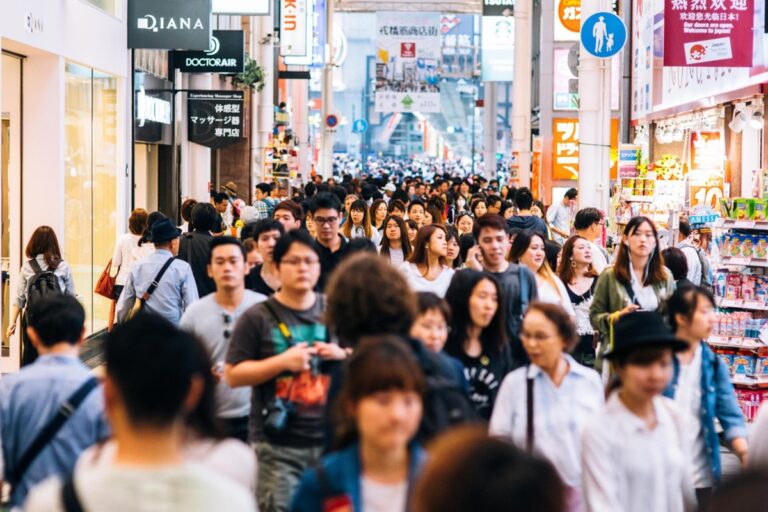
Singapore covers about 724 square kilometers, roughly the land area of New York City’s five boroughs combined. Inside that footprint live 5.5 million people.
The density averages 7,876 people per square kilometer nationwide, but in the Jurong West Central district, it climbs to 46,031 people per square kilometer, among the most crowded patches of urban land on Earth.
Buying a car in that space costs two to three times the European price: a 120% import tax, plus an auctioned Certificate of Entitlement that alone can run the equivalent of about 38,800 euros, roughly $40,000, just for the right to register a vehicle.
The garden hiding inside the density
Despite that crowding, green space covers between 47% and 56% of the country depending on the source, and parks alone take up close to 28% of the entire territory. That combination earned Singapore its nickname: the garden city.
It’s a small island that legislates down to the gram and the dollar, then turns around and grows a forest in the gaps. The chewing gum rule isn’t really about gum. It’s a glimpse of how precisely this country runs everything else.